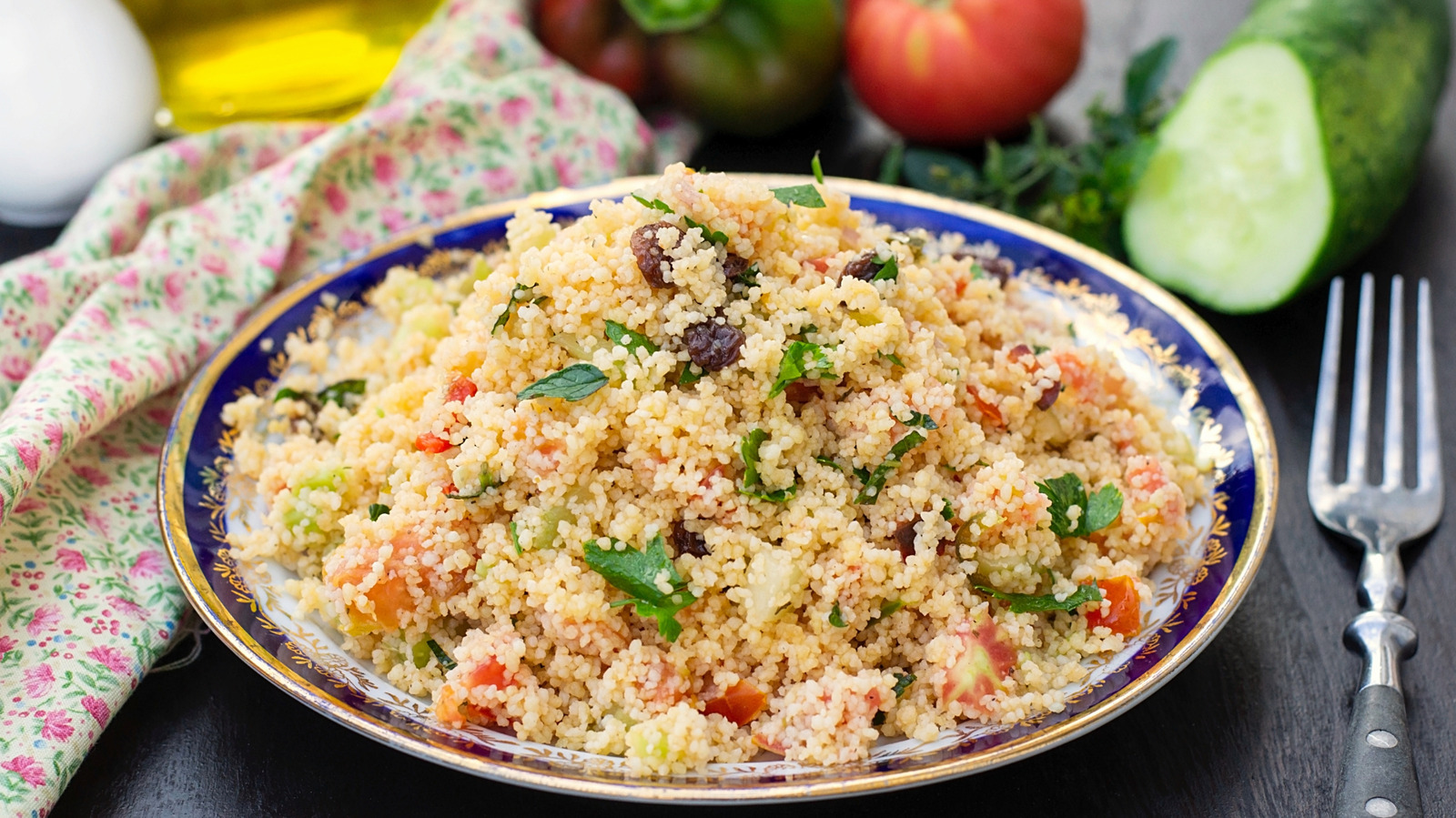
Bulgur vs. Couscous: Unlocking the Easiest Tabbouleh Recipe
Step into the vibrant world of Mediterranean cuisine, and you'll quickly encounter tabbouleh, a refreshing herb-packed salad that has captivated palates for centuries. Traditionally celebrated for its fresh burst of parsley, mint, tomatoes, and a zesty lemon dressing, tabbouleh's classic foundation rests on fine bulgur wheat. However, a modern, incredibly convenient twist has emerged: using couscous instead. This guide dives deep into the "bulgur vs. couscous" debate, revealing why a couscous tabbouleh might just become your new favorite go-to recipe for effortless Mediterranean flavor.
Whether you're a seasoned chef or a kitchen novice, the allure of a delicious, healthy, and easy-to-prepare dish is universal. And when it comes to combining the fresh appeal of tabbouleh and couscous, you're in for a treat. This vibrant salad isn't just a side dish; it's a celebration of fresh ingredients and simple cooking, making it perfect for summer picnics, potlucks, barbecues, or as a light, satisfying meal any day of the week.
Tabbouleh: A Mediterranean Classic Reimagined
At its heart, tabbouleh is a chopped herb salad of Lebanese and Syrian origin, traditionally made with a generous amount of fresh parsley, balanced by mint, diced tomatoes, cucumbers, green onions, and fine bulgur wheat, all brought together with a tangy olive oil and lemon dressing. It's a dish that exemplifies freshness, vibrancy, and health.
While the essence of tabbouleh remains constant—its bright flavors and aromatic herbs—the grain component often sparks discussion. Understanding the difference between bulgur and couscous is key to appreciating why the latter offers such a compelling, easy alternative for this beloved salad.
The Traditional Star: Bulgur Wheat
Bulgur wheat is a parboiled, cracked wheat kernel that is a staple in Middle Eastern and Mediterranean cooking. It comes in different grinds, with fine bulgur being the traditional choice for tabbouleh. Its preparation is minimal: typically, fine bulgur only needs to be soaked in hot water or lemon juice for a short period (around 20-30 minutes) until it softens and plumps up. It boasts a slightly nutty flavor and a chewy texture that adds a robust foundation to the delicate herbs.
For purists, bulgur is non-negotiable, offering an authentic mouthfeel and taste that speaks of centuries of culinary tradition. It's a healthy whole grain, packed with fiber and nutrients, contributing to the wholesome nature of classic tabbouleh.
The Modern Marvel: Couscous
Enter couscous, a game-changer for those seeking speed and simplicity without sacrificing flavor. Contrary to popular belief, couscous isn't technically a grain in the same way bulgur is. It's actually a form of pasta, made from tiny steamed balls of semolina (a type of durum wheat). Originating from North Africa, it's a staple in countries like Morocco, Algeria, and Tunisia, often served with stews or tagines.
The beauty of using couscous for tabbouleh lies in its preparation. Moroccan couscous, the most common type found in grocery stores (usually in the pasta aisle), cooks incredibly fast – often in just 5-7 minutes simply by soaking it in hot water or broth. This rapid cooking time is a major advantage for busy cooks. Israeli couscous, also known as pearl couscous, has larger, pearl-like grains and takes a bit longer to cook, offering a different texture. For the easiest tabbouleh, regular Moroccan couscous is your best bet due to its quick cooking and fine, fluffy texture.
Why Choose Couscous for Your Easiest Tabbouleh Recipe?
The shift from bulgur to couscous in tabbouleh recipes isn't just about convenience; it offers several distinct advantages that make it an appealing option for many:
- Unmatched Speed and Convenience: This is the primary reason many opt for couscous. While bulgur requires soaking, couscous is ready in minutes. This makes a tabbouleh and couscous salad an ideal last-minute side dish or a quick meal prep option. You can literally have the grain cooked before you've finished chopping your herbs!
- Effortless Cooking: Couscous is notoriously forgiving. Simply pour hot water over it, cover, and let it sit. It's nearly impossible to mess up, making it perfect for novice cooks or anyone looking for a stress-free experience.
- Light and Fluffy Texture: Moroccan couscous has a wonderfully light, airy, and fluffy texture that beautifully absorbs the vibrant flavors of the lemon, olive oil, and fresh herbs. It provides a different, often softer, mouthfeel compared to the chewier bulgur, which some find more agreeable, especially for younger palates.
- Wider Appeal: For those unfamiliar with bulgur or who prefer a milder texture, couscous offers an approachable alternative. It can make tabbouleh more "child-friendly" without compromising on the fresh, zesty flavors.
- Excellent Flavor Absorption: The tiny grains of couscous are fantastic at soaking up the zippy lemon dressing and the aromatic juices from the tomatoes and herbs, ensuring every bite is bursting with taste.
Crafting Your Easiest Couscous Tabbouleh: A Step-by-Step Guide
Ready to whip up a delicious tabbouleh and couscous salad in record time? Here’s how you can make this vibrant dish a reality, balancing traditional elements with modern ease.
Essential Ingredients:
- Couscous: 1 cup Moroccan (fine) couscous
- Water or Vegetable Broth: 1 cup boiling (for cooking couscous)
- Fresh Parsley: 1-2 large bunches, finely chopped (the star of the show!)
- Fresh Mint: ½ bunch, finely chopped (don't skip this for authentic flavor)
- Tomatoes: 2-3 ripe medium tomatoes, finely diced
- Cucumber: 1 medium cucumber, finely diced (English or Persian work well)
- Green Onions: 2-3, thinly sliced (optional, but adds a mild oniony bite)
- Lemon Juice: ¼ - ½ cup, freshly squeezed (adjust to taste for that zippy tang)
- Extra Virgin Olive Oil: ¼ cup (good quality makes a difference)
- Salt and Freshly Ground Black Pepper: To taste
- Optional: A few sprigs of fresh cilantro for an extra layer of herbal flavor.
Preparation Steps:
- Cook the Couscous: In a medium bowl, combine the dry couscous with a pinch of salt. Pour the boiling water or broth over the couscous, stir once, cover tightly with a lid or plastic wrap, and let it sit for 5-7 minutes until all the liquid is absorbed. Fluff with a fork and set aside to cool slightly.
- Chop Your Veggies and Herbs: This is where the magic happens! Finely chop the parsley, mint, tomatoes, cucumber, and green onions (if using). The finer the chop, the better the texture of your tabbouleh. Think of it as a finely minced salad rather than roughly chopped.
- Prepare the Dressing: In a small bowl, whisk together the fresh lemon juice, extra virgin olive oil, salt, and pepper. Taste and adjust seasonings as needed. The dressing should be bright, tangy, and slightly robust.
- Combine and Mix: In a large mixing bowl, combine the cooled, fluffed couscous with all the chopped herbs and vegetables. Pour the dressing over the salad and toss gently to ensure everything is evenly coated.
- Chill and Serve: For the best flavor, cover the bowl and refrigerate for at least 30 minutes, or even better, a few hours. This allows the flavors to meld and deepen. Couscous tabbouleh actually tastes even better the next day, making it perfect for meal prep!
Key Tips for Success:
- Fine Chop is Key: Don't underestimate the importance of finely dicing your ingredients. It creates a cohesive, pleasant texture typical of authentic tabbouleh.
- Fresh Herbs are Non-Negotiable: Use fresh, vibrant parsley and mint. Dried herbs won't give you the same bright, authentic flavor.
- Adjust Seasoning: Always taste and adjust the lemon, salt, and pepper. The dressing is the heart of the salad's flavor.
- Don't Overdress: While you want the salad coated, you don't want it swimming in dressing. Couscous absorbs well, but too much liquid can make it heavy.
Beyond the Bowl: Pairing and Enjoying Your Couscous Tabbouleh
The versatility of tabbouleh and couscous makes it an ideal companion to a wide array of dishes. It's not just a side; it's a refreshing palate cleanser and a nutritional powerhouse:
- Perfect Pairing: This salad shines alongside grilled proteins like chicken, fish, lamb koftas, or even halloumi cheese. It's a natural fit for other Middle Eastern staples such as hummus, baba ghanoush, or falafel.
- Light Lunch or Snack: Enjoy it on its own as a light and satisfying lunch, perhaps scooped up with warm pita bread or crunchy lettuce cups.
- Picnic and Potluck Star: Its robust flavors and ability to travel well make it a crowd-pleaser for any outdoor gathering, from barbecues to picnics. It's a healthy alternative to heavier pasta or potato salads.
- Meal Prep Champion: As mentioned, this salad actually improves with time as the flavors marry. Prepare a larger batch at the beginning of the week for easy grab-and-go lunches.
- Health Benefits: Packed with fresh vegetables, fiber-rich couscous, and healthy fats from olive oil, couscous tabbouleh is a wonderfully nutritious addition to any diet.
For more inspiration on quick and easy Mediterranean dishes, explore Couscous Tabbouleh: Your Quick & Easy Mediterranean Side Dish. And if you're looking for compelling reasons to embrace this fresh salad, discover Why Couscous Tabbouleh is the Perfect Summer Salad Swap.
Conclusion
While traditional tabbouleh holds a special place in culinary history, the couscous version offers an unbeatable combination of speed, simplicity, and vibrant flavor. It's proof that you don't need hours in the kitchen to enjoy truly good, fresh food. By swapping bulgur for couscous, you unlock an "easiest tabbouleh recipe guide" that delivers all the herbaceous, zesty deliciousness with minimal fuss. So go ahead, embrace the convenience of tabbouleh and couscous, and bring a taste of the Mediterranean to your table today!
