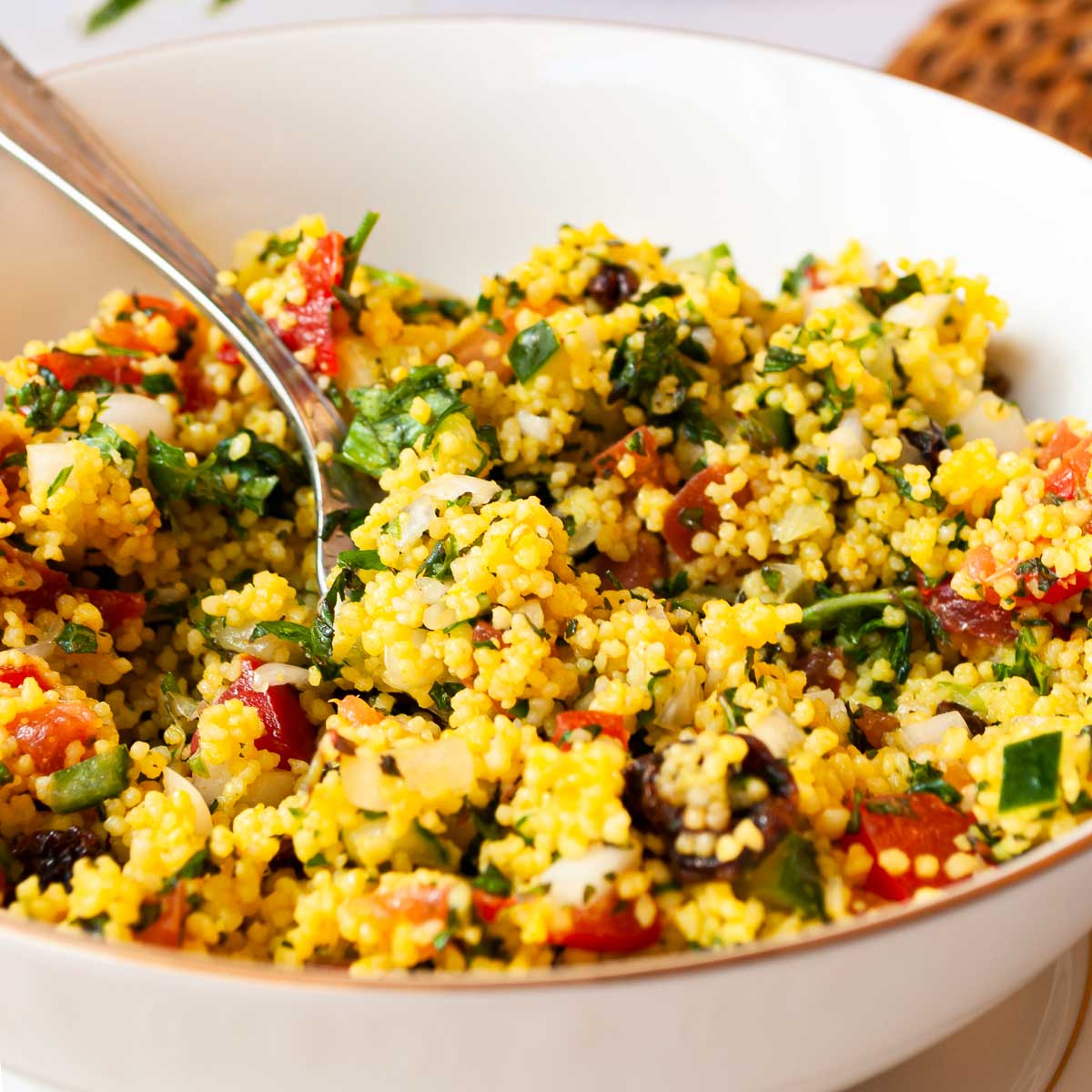
Couscous Tabbouleh: Your Quick & Easy Mediterranean Side Dish
Imagine a dish that’s bursting with fresh flavors, requires minimal cooking, and transports you straight to the sun-drenched shores of the Mediterranean. That’s exactly what you get with
Couscous Tabbouleh. This vibrant, herbaceous salad is a delightful twist on the traditional Middle Eastern staple, offering all the zesty goodness of classic tabbouleh but with the added convenience and unique texture of quick-cooking couscous. Perfect for any occasion, from a light lunch to an elegant side, this recipe is about to become your new go-to for healthy, delicious eating.
What Makes Couscous Tabbouleh a Game-Changer?
Traditional tabbouleh, with its origins rooted in the cuisines of Lebanon and Syria, typically features bulgur wheat as its grain base. While undeniably delicious, bulgur requires a bit more foresight and soaking time. This is where the magic of
tabbouleh and couscous truly shines. Swapping bulgur for couscous transforms the preparation into an incredibly speedy affair, often ready in mere minutes. It’s a modern convenience that doesn’t compromise on the authentic, refreshing taste profile we all love.
This ingenious swap makes couscous tabbouleh an ideal choice for our busy lives. It’s a healthy side dish that offers a welcome break from your typical green salad, capable of elevating almost any meal with its bright, clean flavors. Imagine a warm summer evening – this salad is not only delicious but also travels incredibly well and tastes fantastic cold, making it perfect for impromptu picnics, bustling potlucks, and relaxed BBQs. You can explore more about this fantastic swap and its benefits in our article,
Bulgur vs. Couscous: The Easiest Tabbouleh Recipe Guide.
Beyond its ease, couscous tabbouleh offers a plethora of benefits. It’s packed with fresh vegetables and herbs, making it a fantastic source of vitamins and antioxidants. The light, zesty lemon dressing adds healthy fats from olive oil without making the dish heavy. This balance of traditional elements with modern ease truly makes it a culinary triumph, reminding us how simple it can be to eat truly good food that's both nourishing and satisfying.
The Anatomy of Authentic Flavor: Herbs, Veggies, and Zesty Dressing
The soul of any good tabbouleh lies in its fresh ingredients, and
couscous tabbouleh embraces this wholeheartedly. The star of the show, in terms of volume and flavor, is always fresh parsley. Lots of it! Its vibrant, slightly peppery notes form the backbone of the salad. But the flavor journey doesn't stop there. Fresh mint adds an invigorating coolness, a signature touch that brightens every bite. Some variations, inspired by a desire for even more aromatic depth, also include fresh cilantro, which beautifully complements the other herbs.
These abundant herbs are harmoniously balanced with crisp, refreshing vegetables. Juicy, ripe tomatoes contribute a burst of sweetness and a pleasant textural contrast, while crunchy cucumbers provide a cooling counterpoint. These finely chopped elements ensure every spoonful is a medley of textures and tastes.
Tying it all together is the quintessential Mediterranean dressing: a vibrant blend of freshly squeezed lemon juice and high-quality extra virgin olive oil. The lemon juice delivers that essential "zippy" freshness and acidity, awakening all the flavors, while the olive oil coats each grain and vegetable piece, adding richness and a silky mouthfeel without weighing the salad down. It's this careful balance and combination of fresh, wholesome ingredients that creates the irresistible and authentic taste profile of couscous tabbouleh.
Couscous: The Speedy Semolina Star
At the heart of our quick and easy tabbouleh is, of course, couscous. But what exactly is this versatile ingredient? Couscous is a traditional North African staple made from tiny steamed balls of semolina, a type of wheat. It’s a foundational food in countries like Morocco, Algeria, Tunisia, and Libya, and its popularity has spread globally thanks to its mild flavor and incredible versatility. Found typically in the pasta aisle of most grocery stores – because, technically, it *is* a form of pasta! – it's far from an exotic or hard-to-find ingredient.
The primary reason couscous is such a fantastic choice for
tabbouleh and couscous recipes is its unparalleled ease and speed of preparation. Moroccan couscous, the most common variety, cooks in a flash – often just five minutes with hot water or broth – making it practically foolproof. Its fine grain absorbs flavors beautifully, transforming into a light, fluffy canvas for the fresh herbs and vegetables. While you can also find Israeli or pearl couscous, which features larger, chewier grains, these take a bit longer to cook and will result in a different, more substantial texture for your tabbouleh. For the quickest and most delicate result, stick with the fine-grained Moroccan variety.
Preparing perfect couscous is simple:
- Ratio is Key: Use a 1:1 ratio of liquid (water or broth) to couscous.
- Boil & Steep: Bring your liquid to a boil, stir in the couscous, cover, and remove from heat. Let it sit for 5 minutes.
- Fluff: Once absorbed, fluff gently with a fork to separate the grains.
This simple process ensures a perfectly light and fluffy base, ready to embrace the vibrant flavors of your tabbouleh.
Beyond the Side Dish: Serving & Meal Prep Magic
While couscous tabbouleh excels as a refreshing side, its versatility allows it to take on many roles at your table. It’s excellent on its own as a light, satisfying snack or lunch, but truly shines when paired with almost any protein. Think grilled fish, pan-seared chicken, succulent lamb koftas, or even robust Middle Eastern meatballs. Its bright, zesty profile cuts through richer flavors, providing a perfect counterpoint that enhances the entire meal. Consider serving it alongside hummus, baba ghanoush, and warm pita bread for a complete Mediterranean feast.
This remarkable salad is also a champion for social gatherings. Its ability to travel well and its deliciousness when served cold make it an absolute must-have for picnics, backyard BBQs, and potlucks. You can pack it in a cooler without worry, knowing it will be a refreshing hit. Discover more reasons why this dish is a summer staple in our detailed article,
Why Couscous Tabbouleh is the Perfect Summer Salad Swap.
Furthermore,
couscous tabbouleh is a meal prep dream come true. It stores beautifully in an airtight container in the refrigerator for 3-4 days, and many enthusiasts even claim it tastes *better* the next day, as the flavors have more time to meld and deepen. This makes it an ideal candidate for healthy, ready-to-go lunches throughout the week. For families, the mild flavor and easy-to-eat texture of couscous can make tabbouleh more child-friendly, especially if you opt to omit or finely mince any strong flavors like raw garlic. Don't hesitate to customize your tabbouleh: add chickpeas for extra protein, crumbled feta for a salty tang, diced bell peppers for color, or a sprinkle of sumac for an authentic lemony note.
Conclusion
Couscous Tabbouleh is more than just a salad; it's a testament to how traditional flavors can be beautifully adapted for modern convenience. With its vibrant fresh herbs, crisp vegetables, quick-cooking couscous, and zesty lemon dressing, it offers a healthy, flavorful, and incredibly easy way to bring the essence of Mediterranean cuisine to your table. Whether you're seeking a quick weeknight side, a crowd-pleasing dish for a gathering, or a nutritious meal prep option, this delightful combination of
tabbouleh and couscous is sure to impress and satisfy. Give it a try – your taste buds will thank you!